
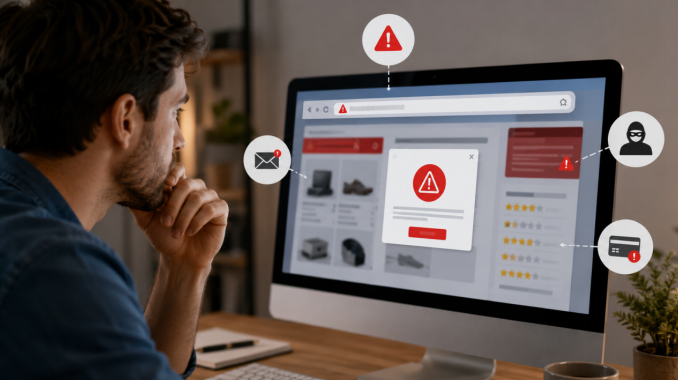
Scam websites do not always look messy anymore. Some are polished, fast and convincing. They copy familiar layouts, use professional images and create a sense of urgency. That is exactly why people fall for them. The danger is not always obvious at first glance.
A risky website usually wants one of three things: money, login details or personal information. Sometimes it pretends to sell a product. Sometimes it asks you to “verify” an account. Sometimes it offers a prize, refund or limited-time deal. The story changes, but the pressure is often the same.
Start with the route you used to get there
One of the easiest ways to reduce risk is to pay attention to how you arrived on a page. Did you type the address yourself? Did you use a saved bookmark? Or did you click a random ad, message link or search result?
Direct access is often safer than jumping through unfamiliar links. When users already know the platform they want to reach, 1king casino gives them a clearer route. That small habit helps avoid fake pages, misleading redirects and lookalike domains.
Scammers often rely on rushed behaviour. They know people click fast when a message feels urgent. That is why the route matters. If a link comes from an unexpected email, text message or social post, pause before opening it.
Quick signs that deserve attention
A website may be risky if you notice:
- strange spelling in the address;
- unusual domain endings or extra words;
- aggressive countdown timers;
- prices that look unrealistically low;
- no clear contact details;
- copied-looking reviews;
- pressure to pay immediately.
One sign alone does not always prove a scam. Several signs together should make you stop.
Check the page before sharing anything
Look beyond the homepage. Scam websites often spend effort on the first screen but neglect the details. Open the contact page, refund policy, terms page and company information. If everything feels vague, copied or missing, that is a warning.
Payment behaviour is another clue. A legitimate website usually offers recognizable payment methods and clear checkout steps. Be careful if a page pushes unusual transfers, gift cards, crypto payments or payment through private messages.
Also check the language. Scam pages often use emotional pressure: “last chance,” “account blocked,” “urgent verification,” “you must act now.” Real services may send reminders, but they rarely need you to panic.
What to do if you are unsure
If something feels wrong, do not enter your details. Search the brand name separately, check recent complaints and compare the address with official sources. You can also use browser security tools, but do not depend on them completely. New scam sites may appear before warning systems catch them.
The U.S. Federal Trade Commission advises people to avoid clicking unexpected links and to verify suspicious messages by contacting the company through a trusted channel instead.
If you already entered payment details, contact your bank quickly. If you share a password, change it immediately and enable two-factor authentication. The sooner you act, the easier it is to limit damage.
Scam websites work because they interrupt normal judgment. The best defense is not complicated. Slow down, check the address, avoid random links and never let urgency make the decision for you.
